Why Charity Golf Tournaments Quietly Raise Billions, Even for People Who've Never Held a Club
Oct 28, 2026
Home > Blogs > Charity Golf Tournaments
Charity golf tournaments raised almost $4.6 billion in 2022, mostly at one-day outings at local courses, and you can run one without playing a round yourself. Here's what starting one looks like in five moves, from writing your reason to sending your first invitations.
A View From the Fringe
Golf tournaments quietly raised nearly $4.6 billion for charity in 2022. I know this because I helped run events like those for years… all without ever hitting a ball.
Growing up around golf, nobody ever asked me to play, so I stayed behind the scenes. Then one of them got me to pick up a club. It was for a young friend of mine, who passed away from melanoma in his thirties. I bought my first set of clubs at 42 and took three beginner lessons so I could play in it. And realized, “Wait, I actually like this.”
These tournaments raise serious, life-changing money for causes people care about. Yet, if you are planning a fundraiser, golf may be the last thing on your mind. It feels like you need to be a pro golfer or have a massive committee just to start, so most people cross it off.
And I believe that's a missed chance. Golf may be the most overlooked fundraiser there is, and you can use its massive fundraising power even if you’ve never picked up a club. Here is exactly what it takes to get one started and crush your fundraising goals.
The plan, in five moves:
- Write your reason in one paragraph
- Pick a size you can handle
- Invite golfers with your reason first
- Send sponsors a short, personal note
- Invite the people who will never play
By the end, you'll see what starting could look like and where to begin.
How Much Do Charity Golf Tournaments Raise, and Why?
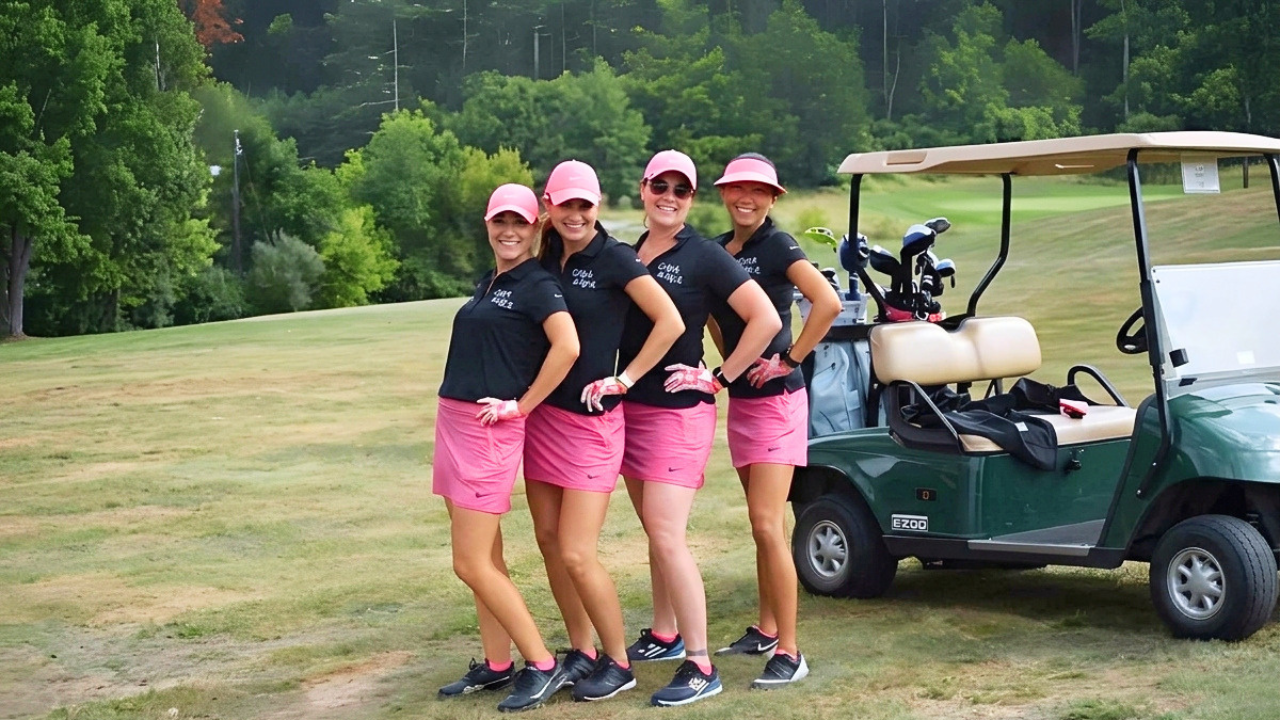
Start with the numbers, because they're bigger than most people expect. The National Golf Foundation (NGF) reports that golf raised almost $4.6 billion for charity in 2022, up from $3.9 billion in 2016. That's nearly 1% of all charitable giving in the U.S. And most of it came from one-day outings at local courses: more than 141,000 events, with about 80% of U.S. golf facilities hosting at least one.
So why golf? Think of a golf outing as a gathering with a round of golf in the middle. Unlike a quick gala dinner, golfers spend a whole afternoon together, followed by a dinner where you have a captive audience. Don't worry about attracting pros, either. Most events use a scramble format, where teams of four pick the best shot after each swing. This means beginners and seasoned players can share a team without any stress. Even better, the field fills itself. Golfers naturally invite friends, family, coworkers, and clients to complete their foursomes, bringing new people to your cause.
But results can vary a lot. The NGF puts the average event at about $29,500, while a Golf Tournament Association of America leader told Golf Digest it's closer to $8,000. So what sets a highly profitable golf fundraiser apart from an exhausting, low-yield one?
What Makes a Charity Golf Tournament Successful?
In my experience, committees that try to do everything tend to struggle. They start with the venue and the logistics, then go looking for people to care. The events that go well start with the reason and keep the plan small, so every guest understands why they're there.
Here are the two approaches side by side:
|
The usual way |
Reason first |
|
|
Starts with |
The venue and the logistics |
The reason people would care |
|
Plan |
Everything at once |
A few things done well |
|
First ask |
A form letter to strangers |
A short, personal note |
|
Guests |
Names on a list |
People who hear why they're there |
|
After the day |
A total raised |
Supporters you can thank and invite back |
Here is why that last point matters so much. Paul Courter, who runs charity golf events, told Golf Digest that about 75% of the people who play are guests of whoever bought the foursome, and they know little about the cause. That's one operator's estimate, and it points at something real: much of your field is meeting your cause for the first time. Golf Digest draws a line between a fundraiser, which is about dollars that day, and a friend-raiser, which builds relationships. A reason-first day can do both.
How to Start a Charity Golf Tournament: Five Moves
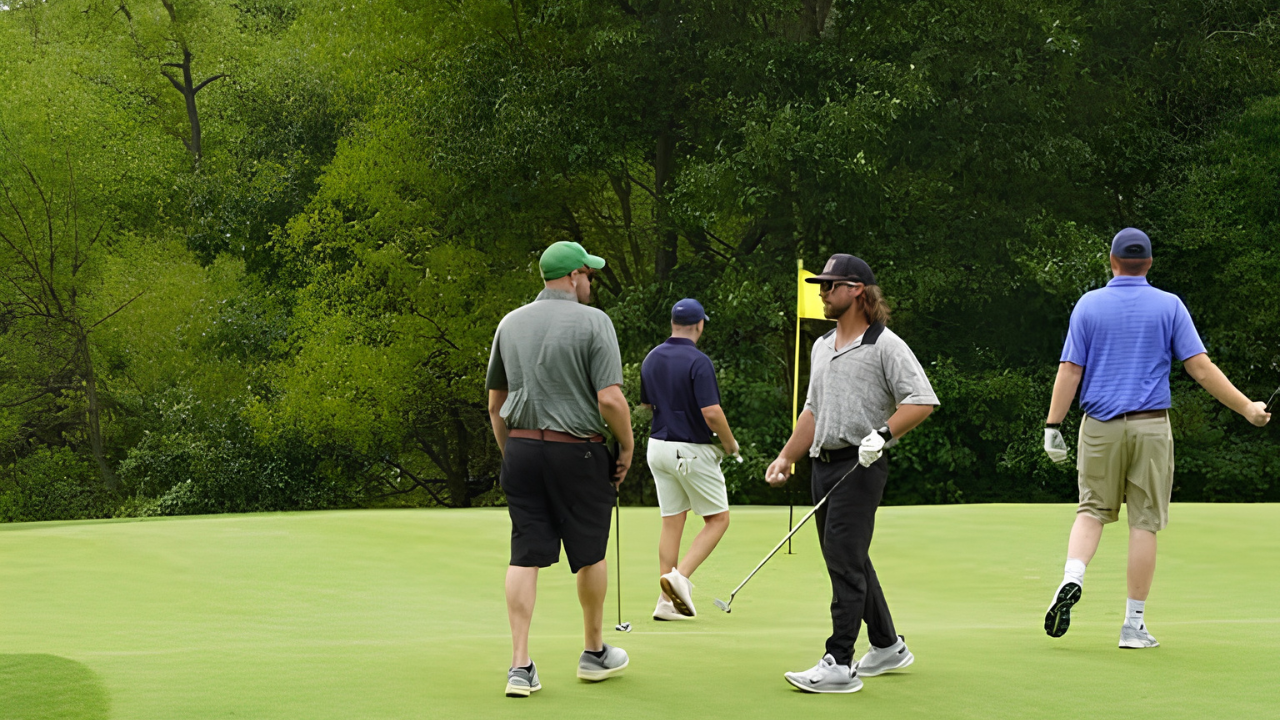
So say you decide to do it. Here's the order I'd follow.
- Nail down your "why" in one paragraph. Who is this for, and why do you care? You'll use it everywhere: the invitation, the sponsor note, the dinner program and your donor post. People give to a reason, so put it in front of them early.
- Pick a realistic tournament size. The plan looks different at 72 to 96 golfers (18 to 24 foursomes) than at 120 to 144 (30 to 36). If your committee is small, start with the smaller range and skip what you can't do well.
- Lead your invitations with the reason. Open the invitation with why you're doing this, then add the date, the course, the price and how to register. Most charity outings are scrambles, so tell people beginners are welcome.
- Send sponsors a short, personal note. Sponsors are often the biggest piece of the money, and local businesses are a natural place to start. Keep the note short and personal so it starts a real conversation, and make it easy to say yes: a hole or the whole event.
- Invite the people who will never play. Some of the people who care most about your cause will never play. Give them a way to give in about 30 seconds: a short post that says what the money does and how to donate.
Then add a few extras that earn more without adding much work, like mulligans (a do-over shot), a putting contest, a raffle or a silent auction. Why? Because entry fees rarely cover a day on the course, which comes with green fees and catering, and Golf Digest reports that expenses on traditional outings run about 40 to 45 cents of every dollar raised. So sponsors and add-ons often carry a lot of the weight.
On the day, focus on just two things. Tell guests why they're there, and make it easy to stay in touch.
Do You Have to Play Golf to Run a Charity Golf Tournament?
No. I helped run these events for years without ever swinging a club. What I needed to understand was why people show up and what they need to experience while they are there. You can learn the golf lingo as you go, and a good guide can explain the basics to you in five minutes. I’m living proof of that.
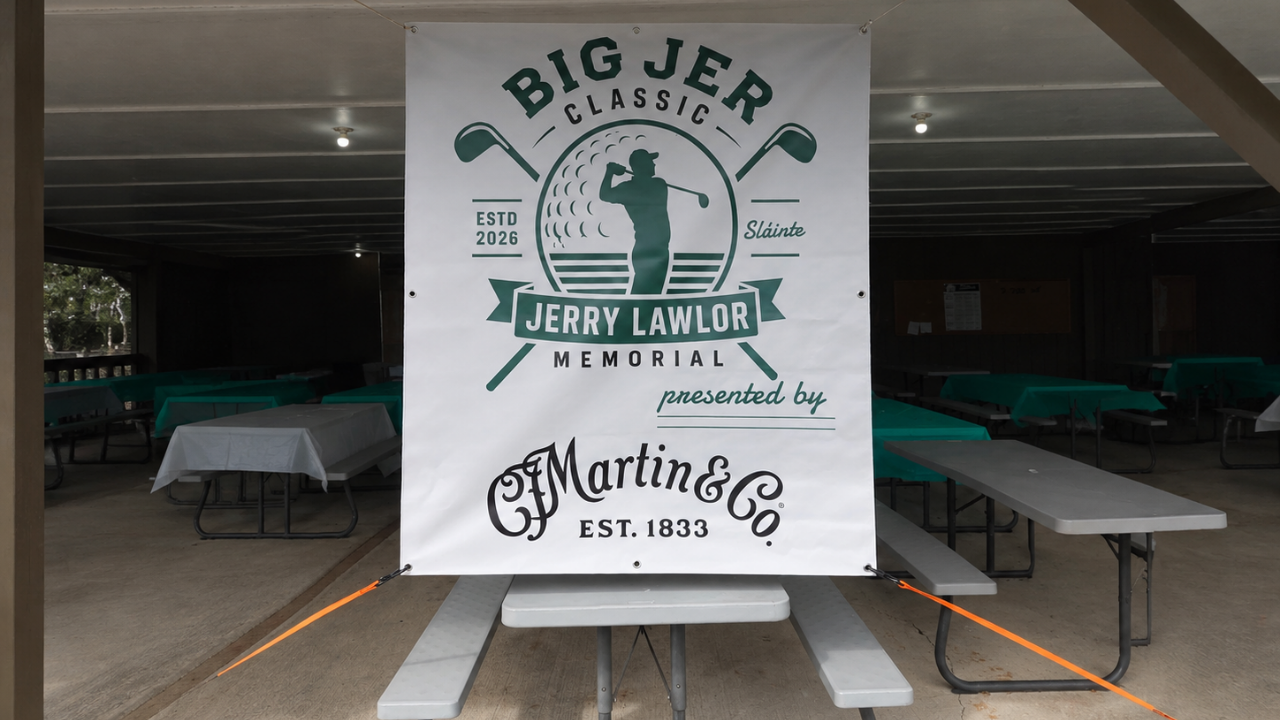
The best example I have is the Big Jer Classic.
Big Jer, Jerry Lawlor, was the father of a personal friend of mine. He passed away at 60 after several years of battling cancer.
When the Lawlor family needed it most, they stayed at Hope Lodge Philadelphia. It gives cancer patients and their caregivers a free place to stay when treatment is far from home, with a private room, a kitchen, a shared dining room, and people who care. Hotels add up fast, and families already have plenty on their minds. So Jer's friends and family started the Big Jer Classic, a day of golf and stories that raises money for the place that helped them.
The first year, it raised more than $10,000. The family and friends put the day together, and we helped with registration and payments. They had a reason, and people showed up for it.
Your cause already has the hardest part: a story and a reason that people care about. Sit down and write that reason out in one single paragraph today. Your invitations, your golf tournament sponsorships, and your success all start right there.
Start With the Free Golf Tournament Starter Kit
If you'd like a head start, the free Golf Tournament Starter Kit has a template for each move: a Size Guide, a Golfer Invitation, a Sponsor First Touch, a Donor Post and a Cause Statement. Every piece comes with a note on why it works, and it explains any golf word once in plain language.
We also help organizers with the behind-the-scenes work, like the event page, registration and payments, sponsor and golfer records, and the emails that keep everyone informed, all handled remotely so your committee can focus on the cause. We helped the Big Jer Classic with its registration and payments since its first year. And if you are curious about how we can lighten your workload, just share a few quick basics about your event. We will tell you honestly whether our services are the right fit for your goals.
Tired of All the Golf Advice?
Get practical perspectives on what to focus on, how to practice, and what can actually help you make progress.
We hate SPAM. We will never sell your information, for any reason.
Author
