What a Major Champion's Win Can Teach You About Trusting Your Swing
Jul 23, 2026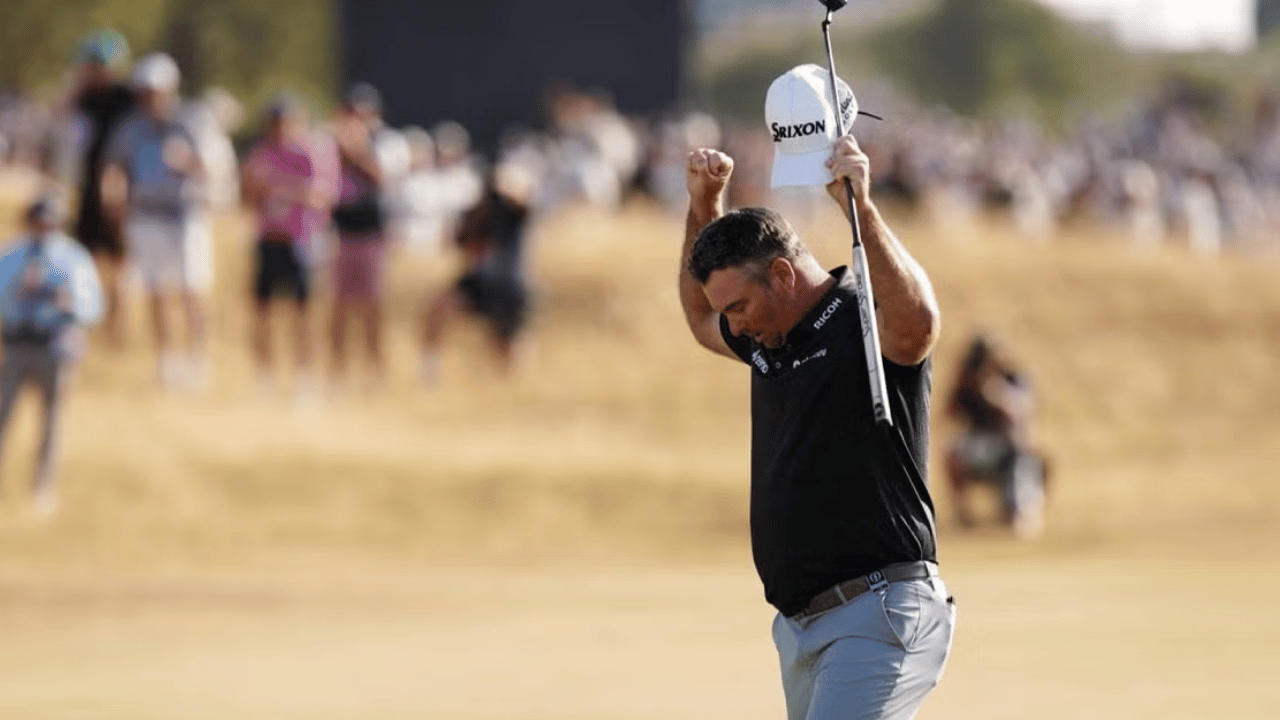
Home > Blogs > Golf Improvement & Coaching
Ryan Fox was tied for 85th after Round 1 of the 2026 Open Championship, then tied for 52nd at the halfway point, the lowest standing ever for an eventual Open champion.
He closed with rounds of 62 and 68, birdied Royal Birkdale's hardest hole on 18, and won by one stroke over Cameron Young.
His week offers real lessons for recreational golfers on trusting a prepared swing and recovering from mistakes fast.
A View From the Fringe
I've watched a lot of golfers stand over a shot and start negotiating with themselves. Two rehearsals, a good feel, and then somehow six more thoughts show up before they ever pull the trigger.
Then I watched Ryan Fox close out the 2026 Open Championship at Royal Birkdale, and none of that showed up in him at all.
Here's what actually happened, and what I believe it means for the rest of us.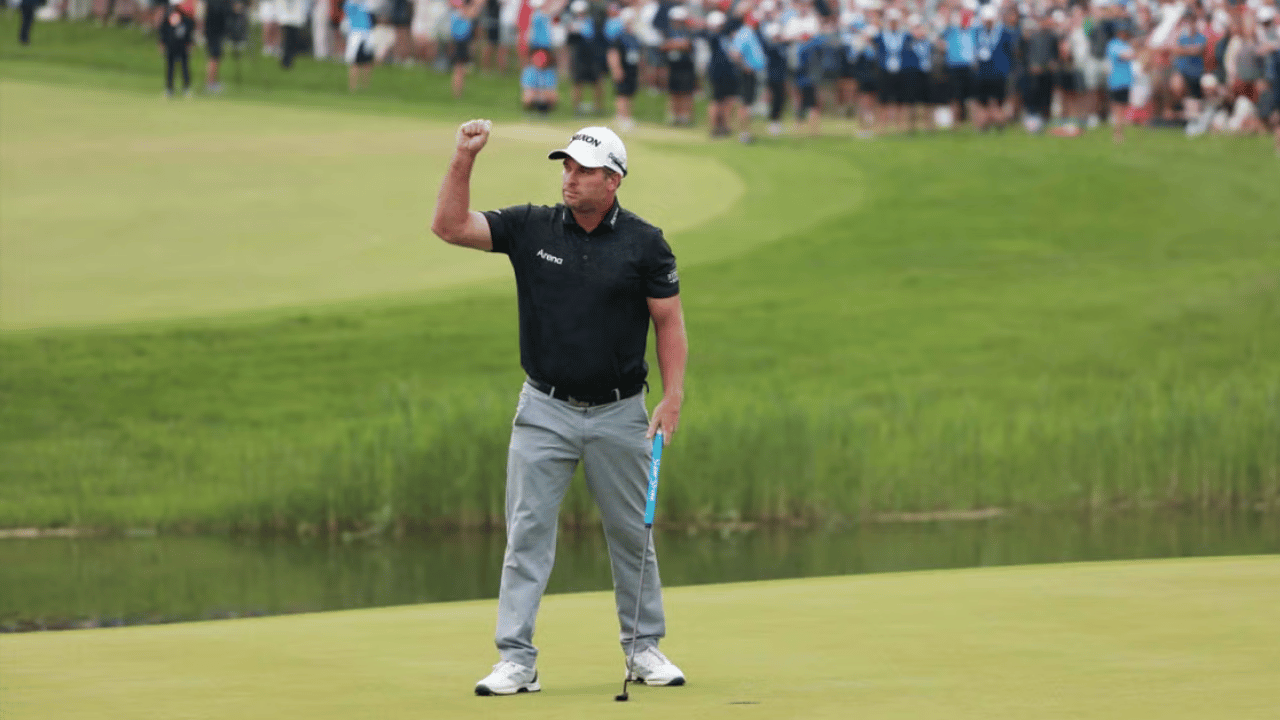
Ryan Fox's Open Championship Comeback, By the Numbers
Fox was tied for 85th after the first round. By the halfway point he was tied for 52nd, the lowest 36-hole position of any eventual Open champion on record. Then he closed with rounds of 62 and 68, birdied the 16th to draw level with Cameron Young, carried a couple of back-nine bogeys along the way, and finished it off with a 12-foot birdie on the 18th, Royal Birkdale's hardest hole all week. Only 28 birdies were made there across the entire tournament. His was the one that decided it. He won at 10-under 270, one stroke ahead of Young.
He kept answering his mistakes, all the way to the last hole.
How to Trust Your Golf Swing Under Pressure
Eric's been teaching a specific practice format for years, laid out in the 4-Week Practice Plan inside his Ultimate Practice Bundle Master Class. He calls it “two rehearsals, one hit, check video”. You rehearse the feel twice, hit the ball once while trying to feel that same thing, then record it and check whether you actually did what you meant to do. Twenty to thirty reps a day, each one built as a set of three.
That's a range session system. It's how you build a swing you can actually trust.
What Fox did on 18 is what trust looks like once it's already built. There was no visible second-guessing, no rebuilding the shot in his head over the ball. The rehearsal happens before you ever need it. The trust is what shows up when it matters.
I don't think those two ideas fight each other. I believe they're two different moments. Rehearse and check on the range. Trust and commit on the course.
A Bad Hole Doesn't Have to Become a Bad Round
Fox picked up a couple of bogeys on the back nine at Royal Birkdale on Sunday. If you'd stopped watching right there, you might have assumed his round, and his chance, was slipping away.
Instead, he birdied 16 to get back to even with Young. Then he birdied the hardest hole on the golf course to win outright.
Bill P. came through our June 10-11 school. He's in his 60s, plays to about a 14 handicap, and came in wanting more consistency off the tee and with his irons. A month after the school, here's what he told us:
"I have seen moments where I did it right, and some when I fall back into a bad habit. But I am now more aware of what I did wrong and work on fixing it at next hole."
That's the whole idea: a mistake that gets fixed one hole later instead of carrying into the next three. It's exactly what the on-course sessions at our schools work on, both days, alongside the swing mechanics: the mental approach and course management that decide what happens after a mistake.
Bill also mentioned his swing thoughts have gone from what he called ten thousand down to two or three, and a few weeks after the school he shot an 80, his best round in a long time, with three three-putts standing between him and the 70s.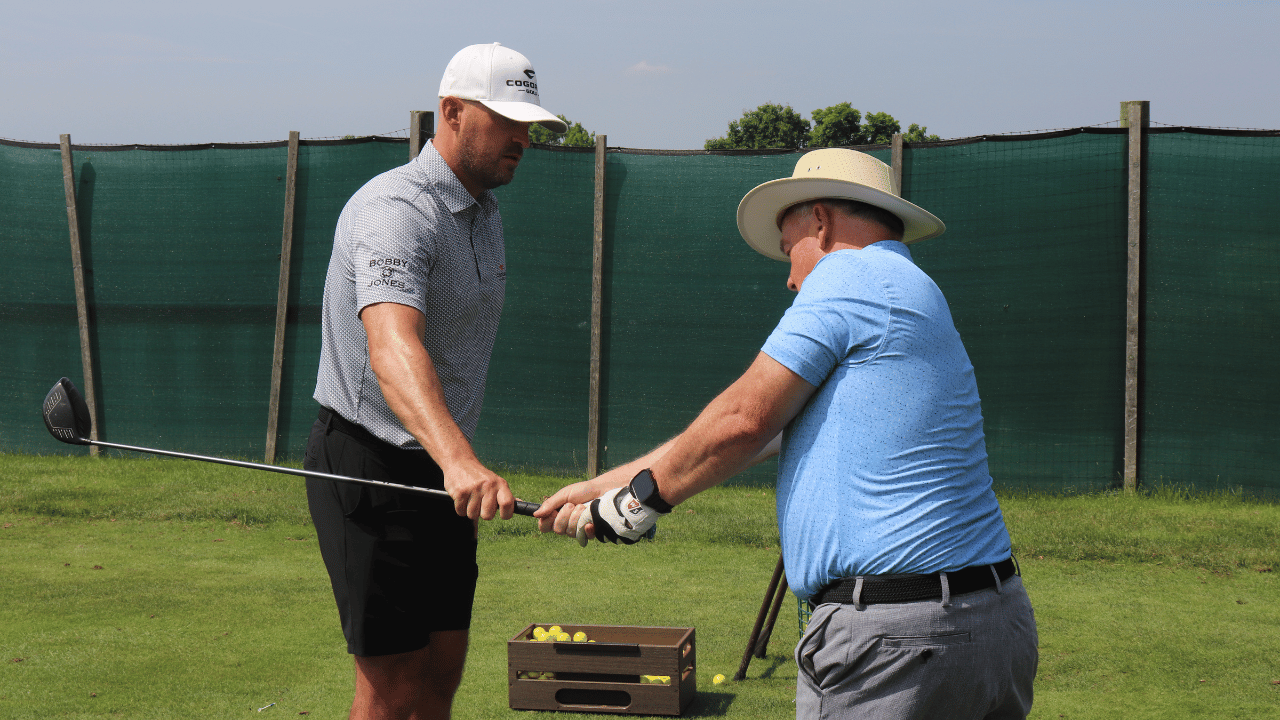
Why a Bad Start Doesn't Have to Ruin Your Round
I keep coming back to Fox’s first-round position. Tied for 85th. That's not a good round. That's most golfers' version of a day they'd rather forget.
Nobody remembers that about Fox now. They remember the trophy.
A rough start still stings, and it should. But it's genuinely just information about how the day started. Fox is proof, at the highest level the sport has, that it doesn't have to decide how the day ends.
Golf Course Management: Playing to a Specific Target
One detail that's easy to miss. Cameron Young had already finished his round, a 64, roughly two hours before Fox played his closing holes. That meant Fox wasn't guessing at what he needed coming down the stretch. He knew the exact number.
That's a version of course management, too. Eric teaches a specific routine for this exact moment. Before he ever swings, he finds an intermediate target two to three feet in front of the ball, in line with where he's trying to go, and visualizes the shot landing before he walks up to it. Here's how he describes it:
"I'm looking for something two to three feet in front of my golf ball in line with where I'm trying to go, and I'm gonna pick that as my intermediate target that I'm gonna focus on to help my aim... I'm visualizing the ball going up in the air, I'm visualizing it coming down, and I'm visualizing it landing at that tree out there."
That gives a golfer something real to aim at, instead of a vague sense of "just don't mess up." It's the same routine Eric and the coaching team do during the on-course play at our schools, where golfers run through it in real situations, with real stakes, hole after hole.
Watch: Eric's Full Driver Pre-Shot Routine and Course Management Breakdown
A Practical Rule of Thumb
If you tend to freeze or second-guess yourself over a shot, the fix usually isn't more thinking, it's more rehearsal ahead of time. Build the trust on the range with a format like two rehearsals, one hit, check video, so by the time you're on the course there's nothing left to decide.
If you tend to let one bad hole turn into three, the fix is a specific mental reset you can actually practice and coach, the same way you'd practice a chip shot.
A two-day school works well if you want both of these worked on together, in real playing conditions. Ours runs three coaching stations each morning (full swing, short game, and putting) followed by nine holes of on-course play each afternoon, 18 holes total across the two days, where pre-shot routine and course management get applied under actual, on-course pressure.
Where to Practice Pre-Shot Routine and Course Management
Everything above is easy to nod along with from your couch. The harder part is doing it with a scorecard in your hand.
Working on pre-shot routine and course management on an actual golf course, with a coach standing next to you, is what our two-day schools are built around. Circuit rotations in the morning where we film, diagnose, and build your personal swing blueprint, then nine holes in the afternoon where the focus shifts to pre-shot routine, course management, and applying what you just worked on, with real coaching in a real round, both days.
See the full 2-day golf school curriculum breakdown here
If you want to start with the practice side first, Eric's Ultimate Practice Bundle Master Class walks through the exact two rehearsals, one hit, check video format referenced above, so you can start building a swing worth trusting before you ever need to trust it under pressure.
Stay connected with news and updates!
Join our mailing list to receive the latest news and updates from our team.
Don't worry, your information will not be shared.
We hate SPAM. We will never sell your information, for any reason.
Author
