Why Serious Golfers Choose Coaching (And Why You Should Consider It)
Jun 24, 2026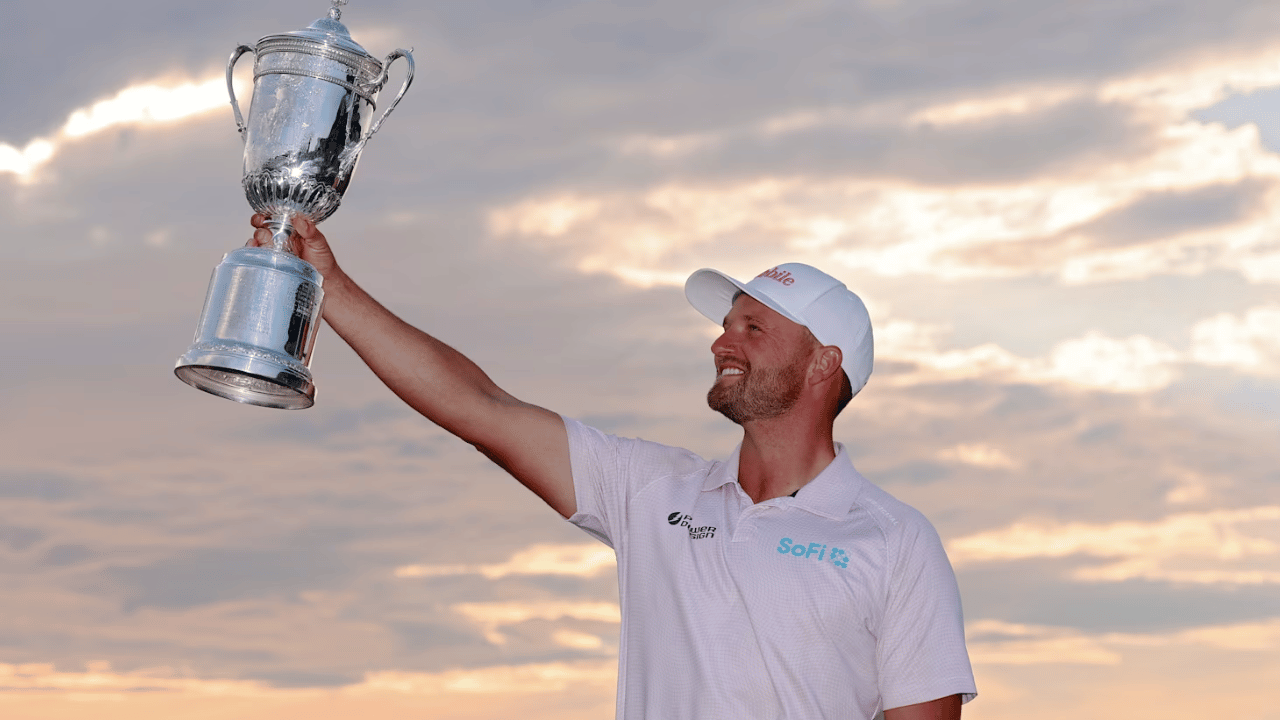
Home > Blogs > Golf Improvement & Coaching
Wyndham Clark won the U.S. Open in 2023 without a full-time swing coach.
He won it working alone. His philosophy was clear: ownership. He trusted his own game, his caddie, and occasional guidance from Butch Harmon. That approach got him to the top of professional golf.
Two years later, he was slumping.
The same philosophy that built his game had become his blindspot. He couldn't see what was wrong because he was inside the swing. Solo work couldn't catch the problems developing in real time. By 2025, he was frustrated enough to break a locker in public.
So he made a different choice. He hired Pat Coyner as his full-time swing coach in the fall of 2025.
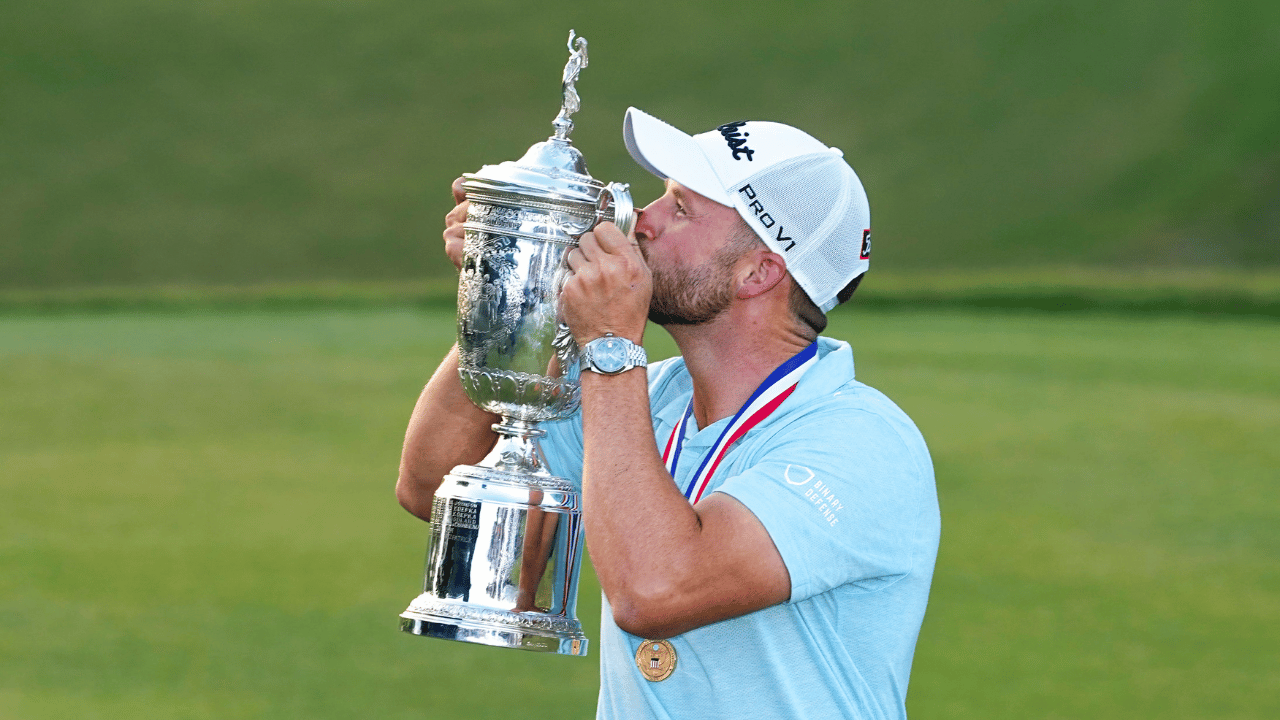
Nine months later, he did something rare. He won the U.S. Open wire-to-wire at Shinnecock Hills, only the ninth player in championship history to do it. He beat the field and the pressure.
Here's what his comeback reveals about why serious golfers make the coaching choice.
A View From the Fringe
I've watched something consistent in golfers who get serious about their game.
They don't resist coaching. They seek it out. They understand that going it alone has a ceiling, and they're willing to invest when they hit that ceiling.
Wyndham Clark's story isn't about a young player discovering coaching. It's about a major champion realizing that solo work, no matter how disciplined, couldn't sustain his performance.
This is the pattern I want to show you. Because if it applies to him, it likely applies to you.
Why Solo Golf Practice Has a Ceiling (And How Coaching Breaks Through It)
Most golfers assume solo practice is the default. You hit balls, you play rounds, you gradually improve.
But here's what Wyndham discovered: you can reach high on your own. You can win tournaments. You can feel competent.
And then you hit a ceiling.
This ceiling isn't about talent. Wyndham had plenty of that. The ceiling is about visibility. When you're inside your own swing, executing it, you can't see what's changing. You can't evaluate your own mechanics in real time.
This is why 95% of PGA Tour professionals work with a full-time swing coach because they understand the limit of self-evaluation.
What Elite Coaches Catch That Solo Golfers Miss
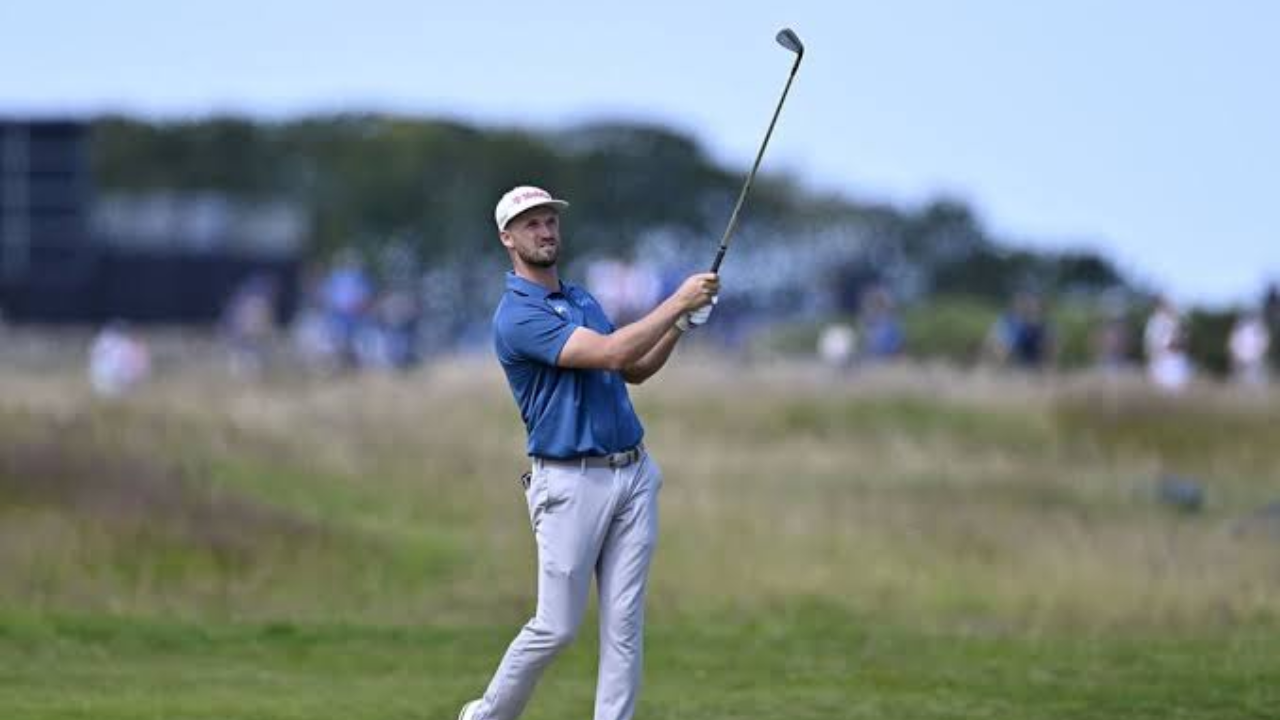
Golf coach Pat Coyner looked at Wyndham's swing and saw specific problems.
His lead wrist was extended, or cupped, at the top. His backswing had gotten too long, swinging way past parallel. This led to a clubface that opened at the top. His shaft got steep in transition. His downswing narrowed instead of widening.
At impact, he was forced to back out of the swing and tilt away from the target. For a player who fades the ball, this created a two-way miss: he couldn't control direction.
These aren't beginner mistakes. These are technical deteriorations that developed over time. Solo work meant no one was catching these changes as they developed.
"The diagnosis," Coyner said, "came down to specific mechanical issues that only external analysis could reveal."
How Championship Coaching Accelerates Golf Improvement
Here's the critical distinction: Wyndham didn't hire a coach for occasional tips. He hired a coach for full-time reconstruction.
The Coaching System (The CLEAR System)
When serious golfers decide to invest in coaching, something shifts. They move from hoping for improvement to building a systematic plan for it. Here's what Wyndham's coaching followed:
C - Clear Diagnosis
Pat Coyner didn't throw generic drills at the problem. He diagnosed the specific mechanical issues: lead wrist, backswing length, clubface control, downswing width, impact mechanics. This is specific reconstruction.
L - Long-Term Commitment
This wasn't sporadic coaching. This was full-time. A sustained relationship with systematic feedback. This matters because golf coaching accelerates improvement in a predictable way: weeks 1-4 focus on technical contact and eliminating bad habits; weeks 4-6 build muscle memory; months 3-12 shift to course management and scoring. The timeline only compresses when coaching is consistent.
E - External Feedback Loop
Every week brought validation. Video analysis, performance data, measurable progress. Coyner said simply: "Every week he gets more validation and comfort with it."
This validation is what prevents regression. Left to your own devices, it's easy to revert to old habits when struggling. Continuous coaching keeps you on track.
A - Applied Structure
Wyndham didn't just get advice. He got structured drills, specific practice assignments, and a system to ingrain changes. This purposeful practice differs fundamentally from aimless grinding.
R - Real Results
Weeks 1-4: Better strike quality, centered contact, elimination of major bad habits
Weeks 4-6: Tighter shot dispersion, more reliable ball flight
Months 3-12: Course management improvement, short-game sharpening, scoring translation
Which leads to what happened next.
What Wyndham's Championship Proves About Coaching
Wire-to-wire dominance.
Wyndham led after every single round at Shinnecock Hills. This is a rare feat—only nine players in U.S. Open history have done this.
First round: 64 (-6)
Second round: 69 (-1)
36-hole total: 7-under (the lowest in U.S. Open history at Shinnecock Hills)
When Sam Burns challenged down the stretch, Wyndham delivered. A four-foot birdie approach on the 10th hole. A 24-foot birdie putt off the back of the 16th green. On the 72nd hole, he two-putted from 52 feet to save par.
One-stroke victory.
This wasn't luck. This was a golfer who'd rebuilt his mechanics with the help of a coach, trusted the process, and executed under pressure.
95% of Tour Pros Use Full-Time Coaches, Why You Should Too
Here's something instructive: over 95% of PGA Tour players use a full-time swing coach.
This isn't exceptional. This is standard practice at the highest level.
Tour professionals understand something. They can't accurately judge their own mechanics by feel alone. Even with years of experience. Even with natural talent. They use high-speed cameras, launch monitors, pressure plates, and Trackman to get objective feedback.
They pair this coaching with specialized support: putting coaches, mental coaches, strength and conditioning specialists. The coaching infrastructure around championship-level golfers is substantial.
This tells you something. At the level where people are most skilled, coaching is most necessary.
What Business Leaders and Golf Champions Know About Coaching
Alex Hormozi makes a point about coaching that applies directly to golf:
"The best leaders remain coachable. Great operators prioritize developing instead of defending. If you cannot handle the objective truth about your shortcomings, you will cap your own growth."
This isn't about weakness. Hormozi advocates for coaching as a strength.
Daniel Priestley adds another angle: "You are often too close to your own game. An external perspective is crucial."
These aren't golf-specific ideas. They apply across fields. High performers (whether in business, sports, or any domain) actively seek external feedback because they understand something: your blindness is not your failure, it's your nature.
How Coaching Changes Your Mental Game
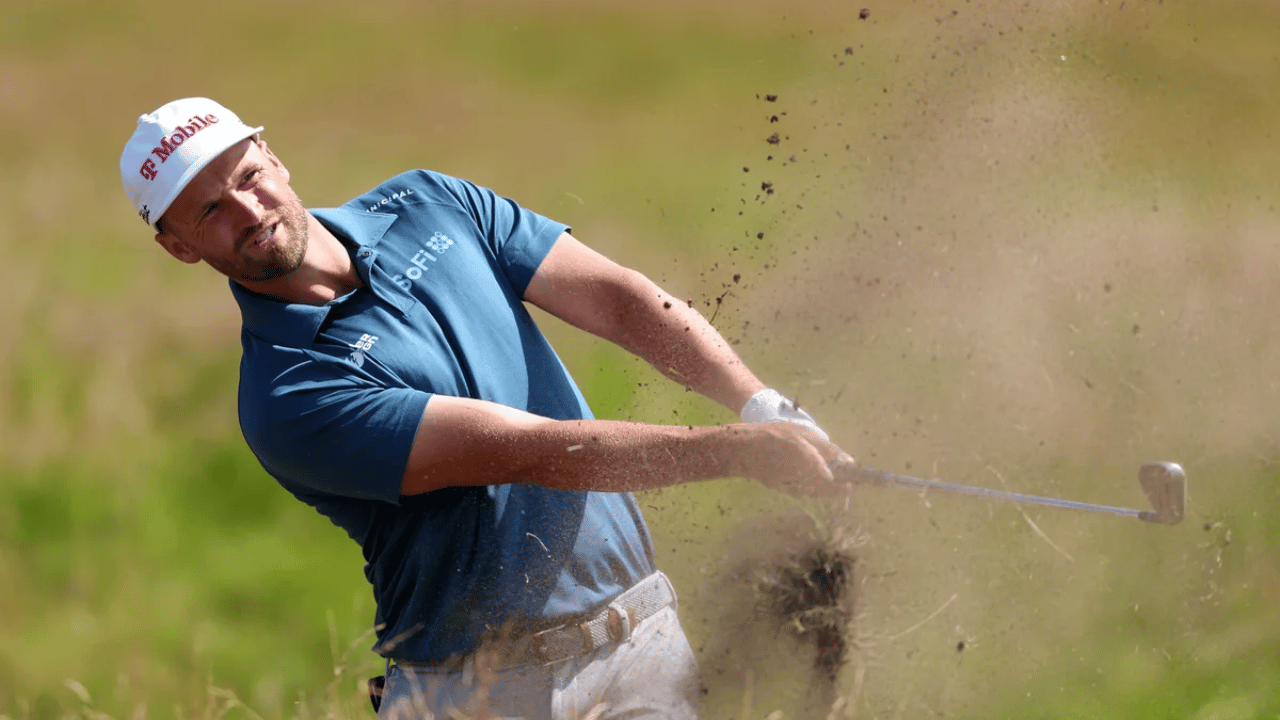
Wyndham spoke about his comeback honestly.
"There was definitely a lot of uncertainty last year. I didn't really believe I could keep playing good, just because I hadn't seen it. Versus now, regardless of where my game is at, I feel like good things are going to happen, and I can continue to play good."
This is the shift coaching produces. Not a different golfer. But a golfer with direction, validation, and belief in the process.
He also addressed the locker-breaking incident directly:
"I've gotten a lot of grief since last year, rightfully so. I'm fierce, competitive, love the game, respect the game. I just had a bad moment. With the mental game there's ebbs and flows. Sometimes you have to go down to go back up. Right now I'm trending back up, which is nice."
The Recipe for Golf Improvement: Diagnosis, Plan, Execution
Here's what separates golfers who breakthrough from those who stay stuck.
Pat Coyner, Wyndham's coach, said it plainly:
"Tour players are a lot like normal golfers: they go through good and bad stretches and they start to tinker a little bit when they get off track. Patience and perseverance is the name of the game.
The important part is to first diagnose the issues then come up with a plan to make improvements. After that, it's the student's job to stick with the program and build on it until everything sticks."
This is the recipe. Diagnosis. Plan. Stick with it.
What This Means for You
First: You Need Diagnosis
You cannot fix a swing flaw you do not know you have. Wyndham couldn't see his lead wrist extension. Tour professionals can't evaluate their own mechanics without external expert eyes. And neither can you.
The diagnosis isn't complicated. Eric Cogorno says this about his coaching approach:
"Our goal is not to give you a million things to do. The goal is to find the top 1-2 main priorities for EACH area of your game that will move the needle. Imagine if you had 1-2 things with your full swing, 1-2 things with your chipping, 1-2 things with your putting. That's VERY MANAGEABLE and VERY IMPACTFUL."
One or two things per area. Not overwhelming. Specific. Actionable.
Second: You Need a Real Plan
A coach doesn't just tell you what's wrong. They show you how to fix it. How to work on it effectively. How to get feedback on every repetition so you know you're doing it right.
This is what Eric emphasizes:
"To make improvements we need to identify the correct things to work on, understand how to work on them effectively, and have feedback on every rep to know if we did it correctly."
Without this plan, you're back to grinding aimlessly. With it, you're moving with direction.
Third: You Do the Work
Here's the part that matters most: Coyner's emphasis on patience and perseverance. On sticking with the program.
Wyndham didn't win the U.S. Open because Pat Coyner was magic. He won it because he diagnosed the specific issues, created a clear plan, and applied that plan consistently for nine months.
The coaching didn't do the work. It directed the work.
Ready to Discover What Personalized Coaching Could Do for Your Game?
If Wyndham Clark's story resonates with you, the next step is understanding what your specific coaching needs are.
Let's talk about what you're trying to improve and what a coaching pathway could look like for you.
RELATED READING:
For more on what separates golfers who plateau from those who keep improving:
→ How to Finally Break Through Your Golf Improvement Ceiling — Jim's story shows how clarity about what to work on compounds into real improvement.
→ How to Improve Your Golf Game When You Don't Have Time to Practice All Day — Ray's transformation reveals what focused coaching produces in just 60 days.
When Will You Invest in Your Game?
Wyndham's comeback started with a simple choice: recognizing that solo work, no matter how disciplined, had reached its ceiling.
He didn't wait years to make that choice. He made it in the fall of 2025.
By June 2026, he was a U.S. Open champion again.
What would be possible for your game if you made that choice today?
Reserve Your Personalized Coaching Intensive
Or call us at (610) 756-7730 to discuss what your coaching pathway could look like.
Tired of All the Golf Advice?
Get practical perspectives on what to focus on, how to practice, and what can actually help you make progress.
We hate SPAM. We will never sell your information, for any reason.
Author
