Why Your Best Shot at the Range Isn't Your Best Shot on the Course (But It Could Be)
Aug 13, 2026
Home > Blogs > Golf Consistency & Performance
A great range session and a rough round on the course don't mean your swing is unreliable. The range and the course ask different things of the same brain, and once you understand why, the gap between them becomes trainable.
A View From the Fringe
I watch this happen almost every week. A golfer stripes it at the range, feels like they've finally got it, and then can't find that same swing once we get out on the course.
For a long time I chalked it up to nerves and left it there. Then I came across some real explanations for it that changed how I understand what I'm watching happen, school after school.
Here's what's actually going on, and what you can start doing about it.
Why the Range Doesn't Prepare You for the Course
I came across an interview with Dr. Gio Valiante, a performance psychologist who's worked with tour pros, on The Knowledge Project podcast, and it changed how I think about this.
His point is that your brain interacts with your environment mostly without you realizing it, something psychologists call situated cognition. The range and the course aren't just two physical locations. Your brain treats them as two different systems, and it behaves differently in each one whether you mean it to or not.
He put it simply: there's a governor in the human brain, built partly by our pull toward comfort and safety. The range is comfortable, with nothing really on the line. The course puts something on the line.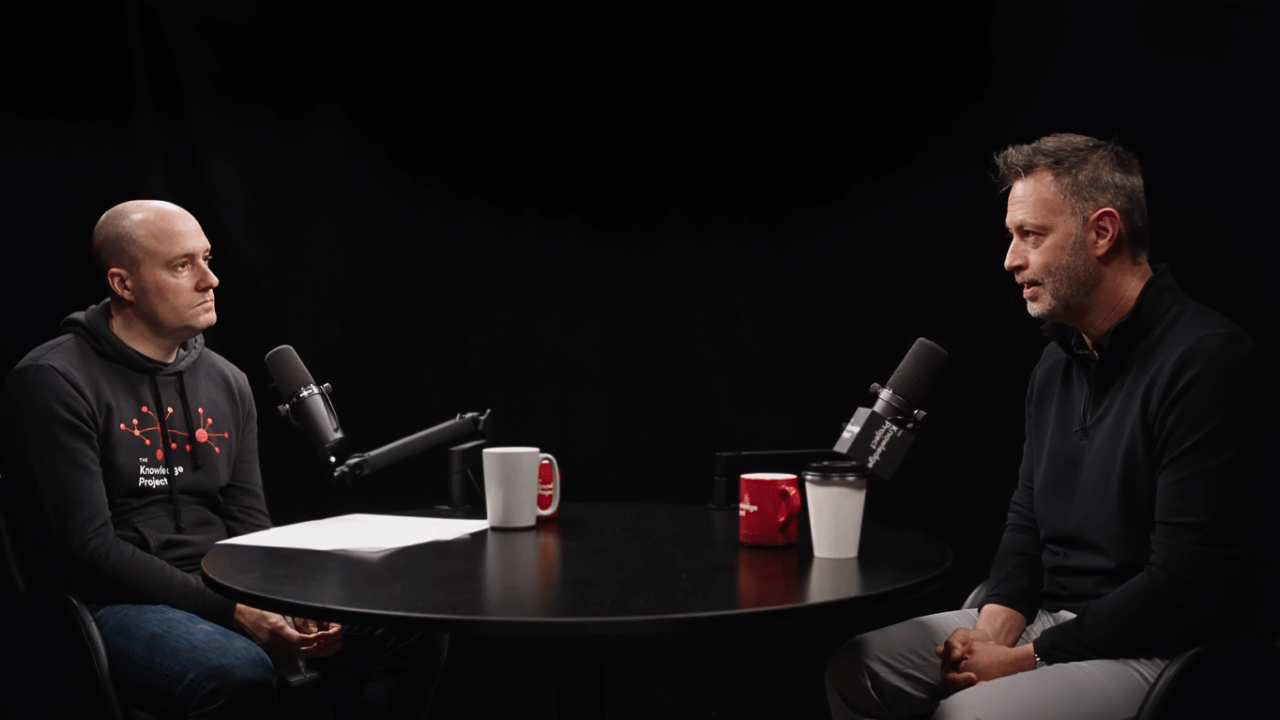
What Stakes Do to Your Brain on the Course
There's a video by a creator named Kallaway on the neuroscience of anticipation that adds another piece to this. His argument is that dopamine works more like a prediction chemical than a reward chemical, most active while you're waiting to find out what happens, not once you already know.
On the range, there's nothing meaningful to predict. You know what's going to happen. You'll hit some good ones and some ordinary ones, and none of it matters. On the course, the outcome actually matters, and Kallaway's phrase for this stuck with me: stakes are what turn your brain's prediction machine on.
That's also why a great shot on the course can feel more electric than an equally good one at the range. When the outcome beats what your brain expected, that's a prediction error, and it produces a much bigger response than getting the result you already knew was coming.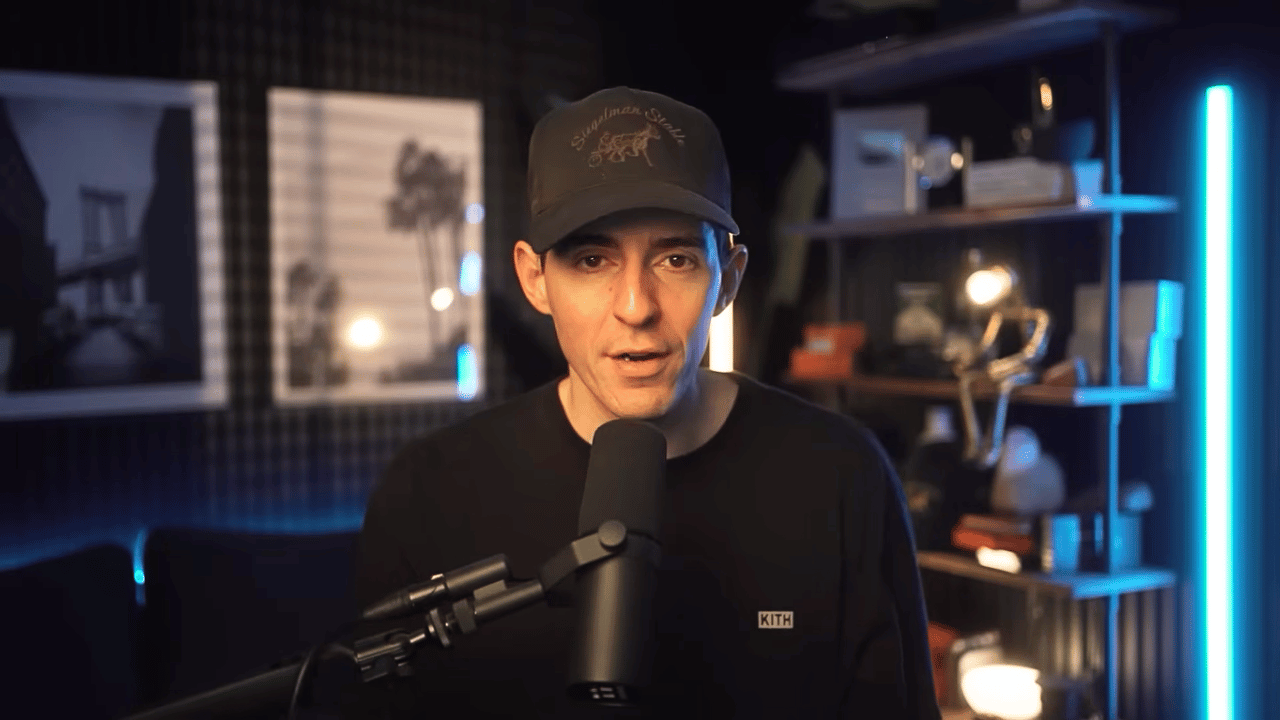
Why Every Shot on the Course Feels Different Than the Range
At the range, you're hitting the same club, off the same flat mat, at the same wide-open target, over and over. On the course, every shot changes. A different lie, a different distance, a hazard that wasn't there on the last hole.
Range balls and range mats are also built for volume and durability, not for matching real course conditions. They tend to fly a little differently than the ball you actually play, and a mat can hide a mishit that would've cost you real yardage on grass. None of this needs an exact number attached to it to be true. The range is simply built to be more forgiving than the course is.
What the Course Is Actually Testing
Your range swing already proves the mechanics are sound. The course is asking you to trust that same swing under stakes your brain never had to deal with on the range. More range practice reinforces a swing your brain already trusts, without ever training the part of your brain that goes quiet the moment something is actually on the line.
Tom D., who came through our July school, put it this way after playing nine holes each afternoon with our coaches:
"The on-course insights, coaching, and situational guidance provided another level of learning and new context on how to approach a shot, a hole, and the round."
That's the piece the range can't give you: a new context for the swing you already have.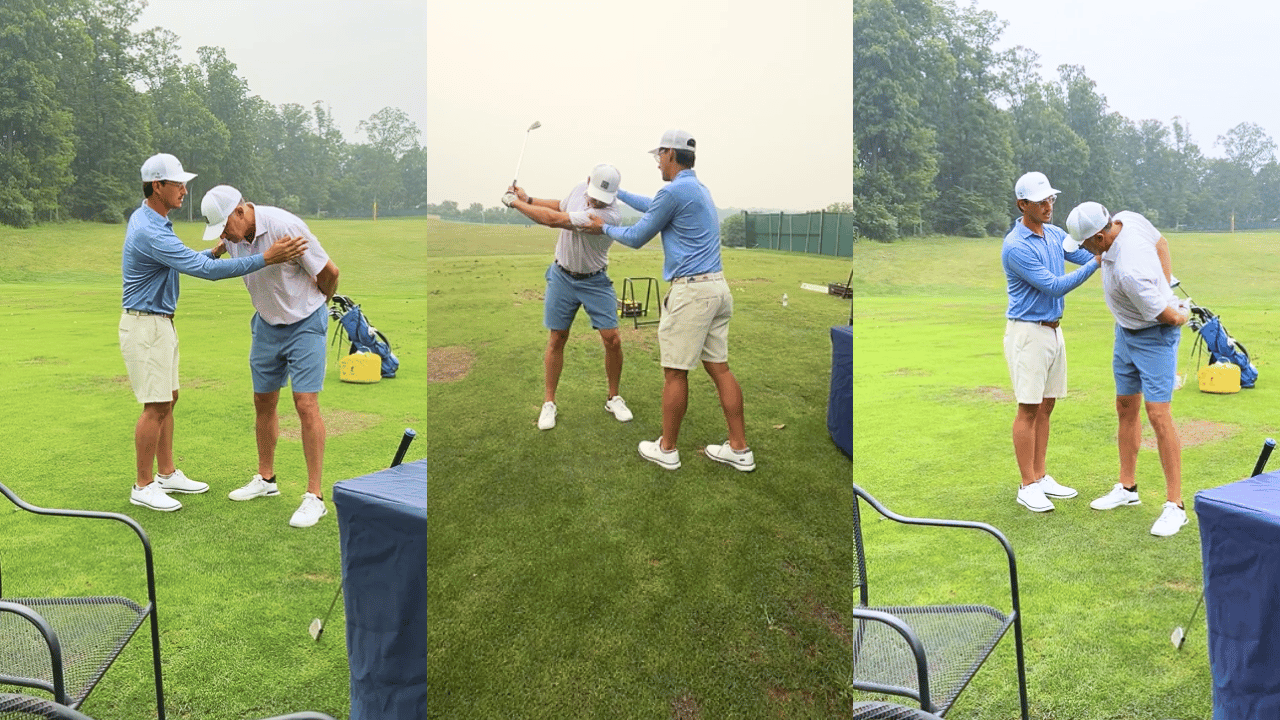
The Swing You Hit at the Range Is Real
That pure shot you hit at the range isn't a fluke, and it isn't proof you got lucky. It's proof your body can do this. The course isn't disproving that. It's asking you to prove it somewhere your brain hasn't learned to trust yet.
How to Close the Gap Between Range and Course Performance
This is where coaching earns its keep, by training the part of the equation the range never touches.
Eric teaches a specific pre-shot routine built around finding an intermediate target and visualizing the shot before you ever step up to the ball, the same method we broke down in How Ryan Fox's Open Win Can Teach You to Trust Your Swing. It's a small, repeatable habit that makes a real shot feel smaller instead of bigger.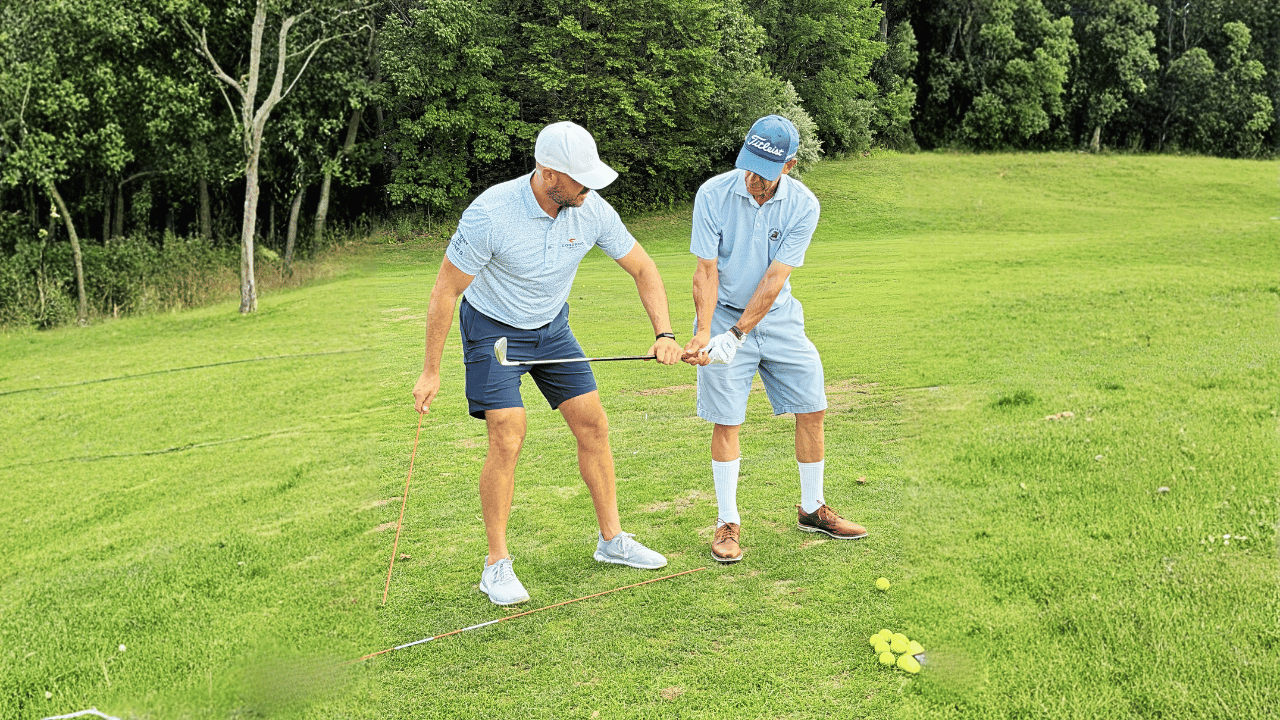
Lies around the green matter too. Eric's got a video specifically on chipping from a slope, since a downhill or uphill lie changes the shot in ways the flat range mat never asks you to deal with.
That's what our two-day golf schools, in both Florida and Pennsylvania, spend real time on. Circuit rotations in the morning build and confirm your swing mechanics, the same thing the range does well. Nine holes of on-course play each afternoon, both days, is where you actually work on trusting that swing when something real is happening, with a coach right there while it does.
Tired of All the Golf Advice?
Get practical perspectives on what to focus on, how to practice, and what can actually help you make progress.
We hate SPAM. We will never sell your information, for any reason.
Author
